




5 FREE things you can do now for a better garden in 2027
One of the biggest gardening lessons I’ve learnt is that creating a beautiful garden isn’t always about buying more plants. Some of the most useful things you can do for next year’s garden cost absolutely nothing; they simply require a little planning and making the most of what you already have. Late summer is actually one of the best times to start thinking about next year. The garden is still full and abundant, which means you can clearly see what has worked, where the gaps are and which plants you’d love to have more of. So, before everything starts to disappear for autumn, here are five completely free things you can do now for a better garden in 2027.
Take Photos of Your Borders & Make Notes of the Gaps
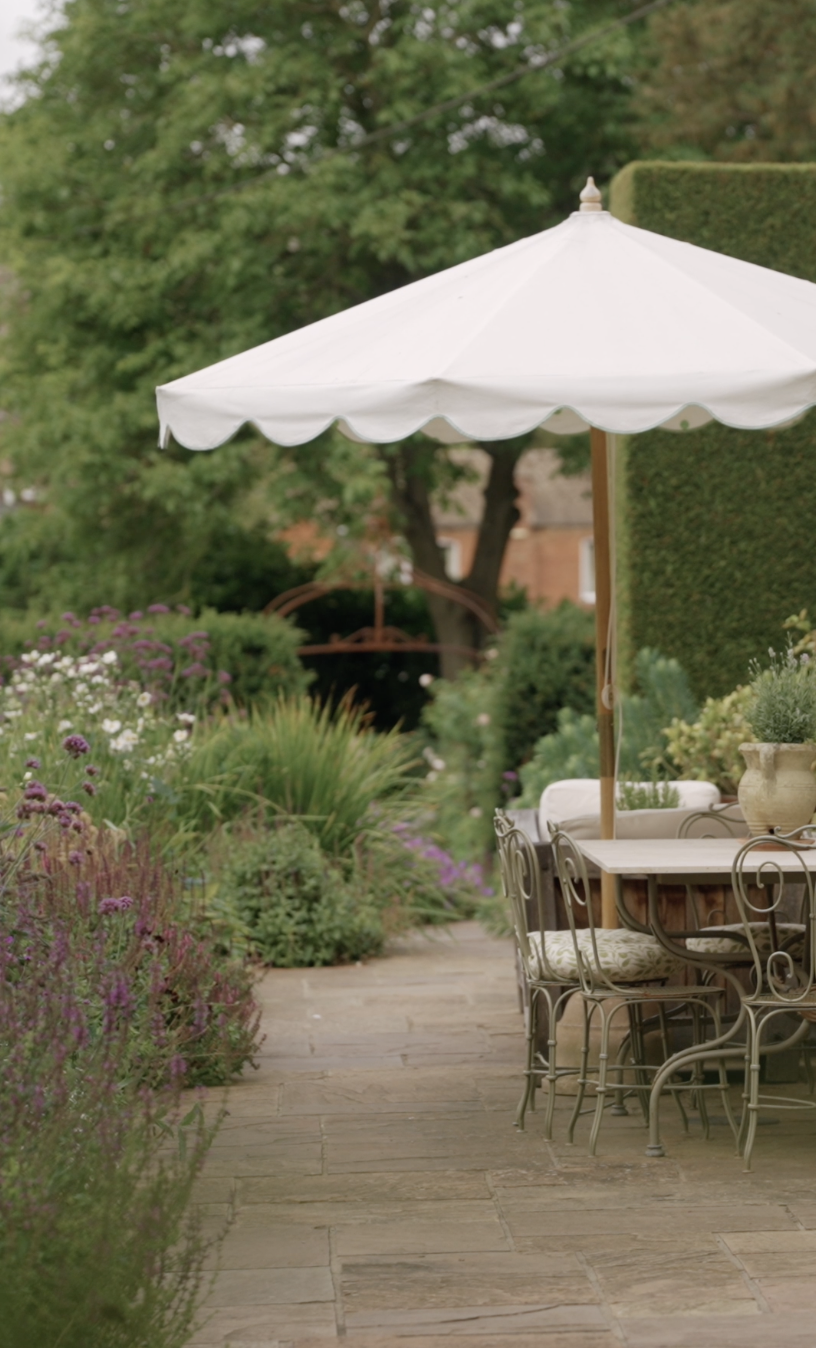
This is such a simple gardening job, but it’s one I find incredibly useful. While your borders are still bursting with colour, walk around the garden and take plenty of photographs. Look for bare patches, areas lacking height or structure, gaps in flowering and colour combinations that aren’t quite working. It’s surprisingly difficult to remember exactly what your garden looked like in August when you’re standing in front of an almost-empty border in February! Then, when autumn and spring planting season arrives, you have a visual reminder of exactly what your garden needs rather than buying plants without a particular spot in mind.
Collect Seeds From Your Favourite Flowers
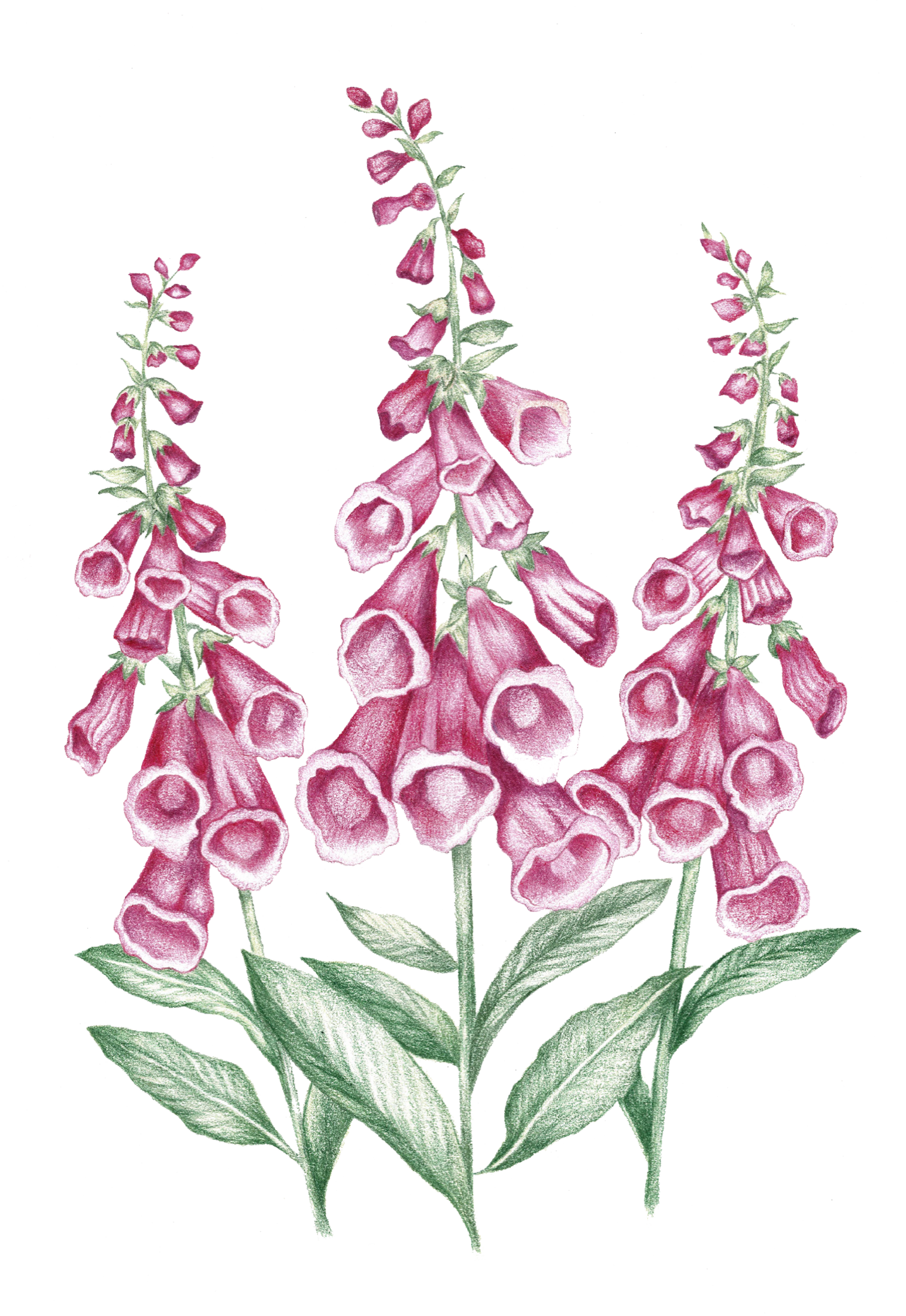
Why buy lots of new plants next year when this year’s garden can provide some of them for free? Before you automatically deadhead everything, look out for seed heads that you can collect seeds from. Plants such as foxgloves, aquilegia, nigella, poppies and sweet peas can all provide seeds that you can save now and sow again next spring. Wait until the seed heads or pods are mature and dry, ideally collecting them on a dry day. Pop them into labelled paper envelopes and store them somewhere cool and dry until it’s time to sow.
There’s something particularly satisfying about seeing a plant flower that you’ve grown from seed collected in your own garden! Just bear in mind that plants grown from saved seed won’t always come completely true to the parent plant, particularly hybrids. Personally, I think the element of surprise can be part of the fun.
Take Cuttings From Plants You Love
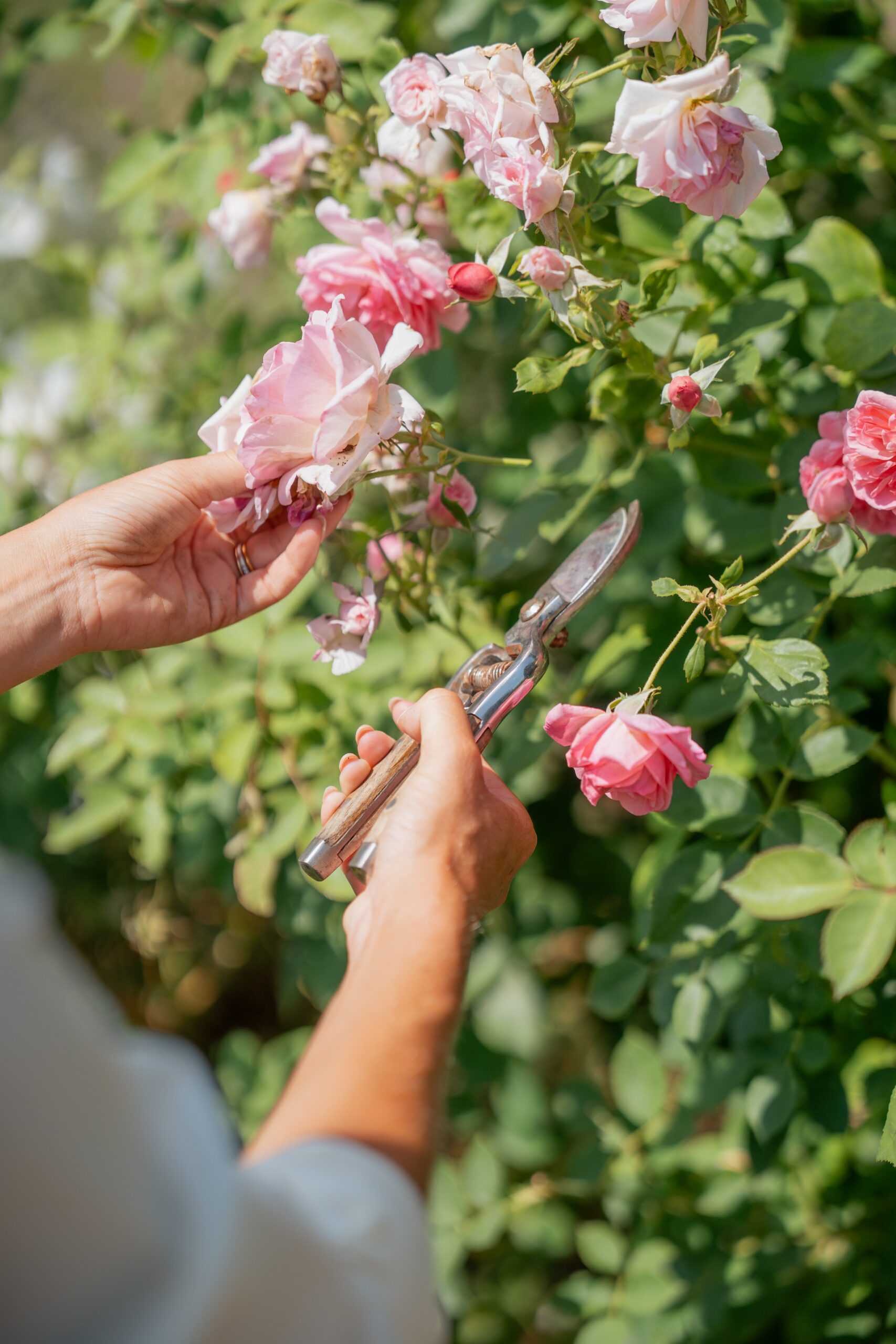
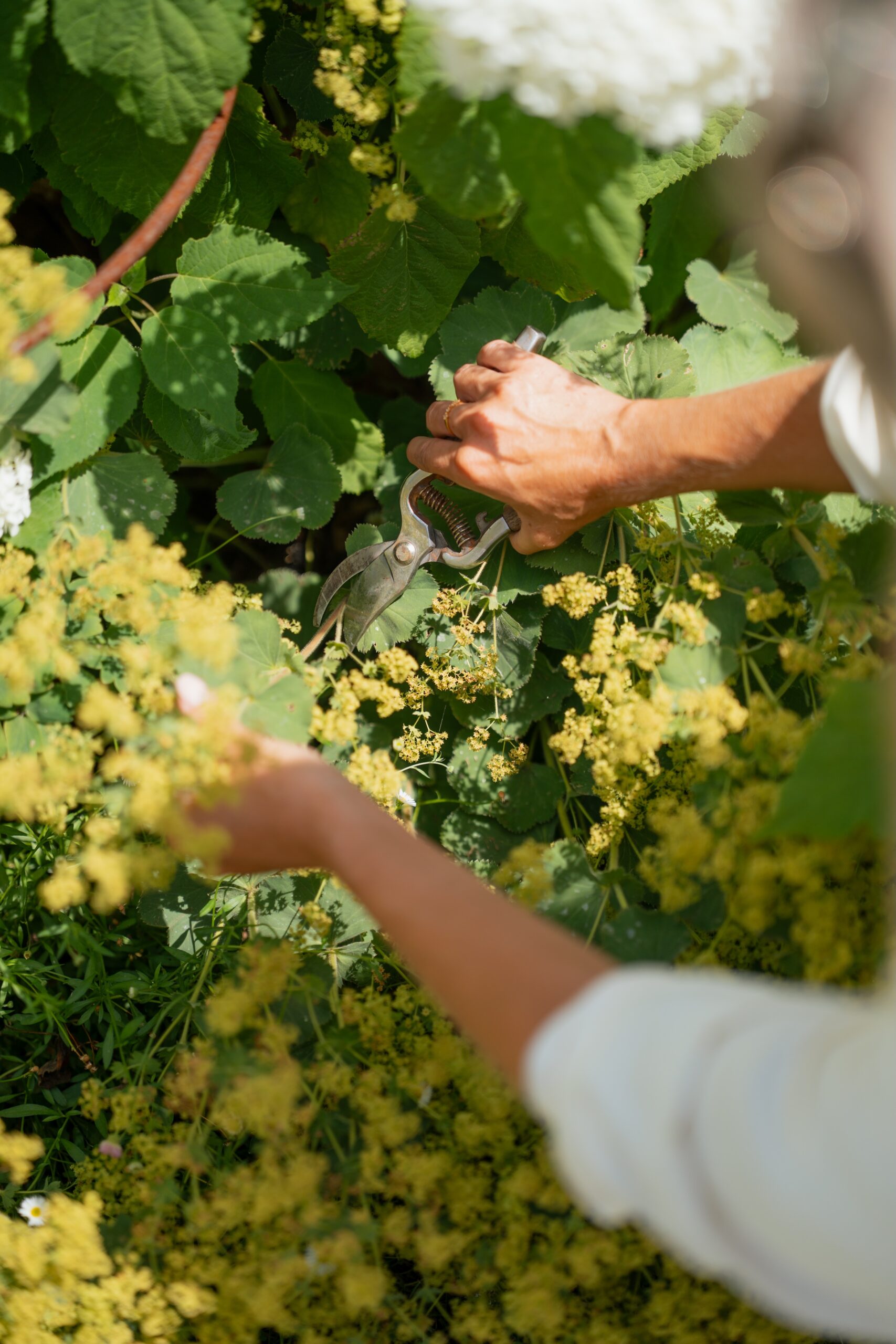
Another brilliant way to create more plants without spending anything is to propagate the ones you already have. Late summer is a particularly useful time for taking cuttings from many shrubs such as hydrangeas and lavender, as well as from herbs such as thyme and rosemary. If there’s a plant in your garden that has performed brilliantly this year, take a moment before buying another one and see whether you can propagate it instead. Not every cutting will necessarily succeed, so I tend to take several. Even if only a few root successfully, you could end up with several new plants to add elsewhere in the garden next year, or to give away to friends.
Keep Deadheading
By late August, it can be tempting to think the flowering season is coming to an end and allow the garden to wind down. But plenty of plants still have a lot more to give. Regularly deadheading repeat-flowering plants such as roses, dahlias and cosmos can encourage them to continue producing flowers rather than putting all of their energy into creating seed. Keep plants well watered during dry spells and continue feeding those that benefit from it, particularly hungry flowering plants such as dahlias.
The important thing, however, is to deadhead selectively. If there’s a flower you want to collect seed from, leave some of its spent blooms in place so the seeds can mature. Equally, you may want to leave certain seed heads standing for wildlife or simply because they add beautiful structure to the autumn and winter garden. The aim isn’t necessarily to make everything perfectly tidy. It’s about deciding which plants you want to encourage to keep flowering and which you’re happy to allow to naturally move into their next stage.
Divide Established Perennials
One of the easiest ways to get more from the plants you already have is to divide established perennials – essentially turning one plant into several without spending a penny. As we move into autumn, many perennials can be lifted and gently divided into smaller sections before being replanted around the garden. It’s particularly useful for plants that have become large, congested or are beginning to outgrow their space. Plants such as hardy geraniums, astrantias and many ornamental grasses can all benefit from division, although the best time to divide will vary depending on the plant.
You can then use your new divisions to fill gaps elsewhere in your borders, repeat favourite plants throughout the garden or even swap them with friends and neighbours for something different. I love this because it’s one of the best examples of how an established garden can begin to provide for itself. Instead of buying three more of a perennial you already love, you may already have everything you need growing in your borders!