



Hedgerow Harvests: A Guide to Foraging Respectfully
Getting out in nature and exploring the countryside is one of life’s simplest pleasures, whether you’re heading out for a weekend walk or trying your hand at foraging. Out on the footpaths, fields stretch wide and hedgerows hum with life. You might spot blackberries ripening in the sun or catch the scent of wild garlic underfoot. But these landscapes aren’t just ours to delight in; they’re for others to enjoy and for the wildlife to call home. Learning how to forage thoughtfully means becoming part of that balance, rather than disrupting it. The Countryside Code offers clear guidance on respecting the land, while responsible foraging ensures that wild spaces can continue to thrive.
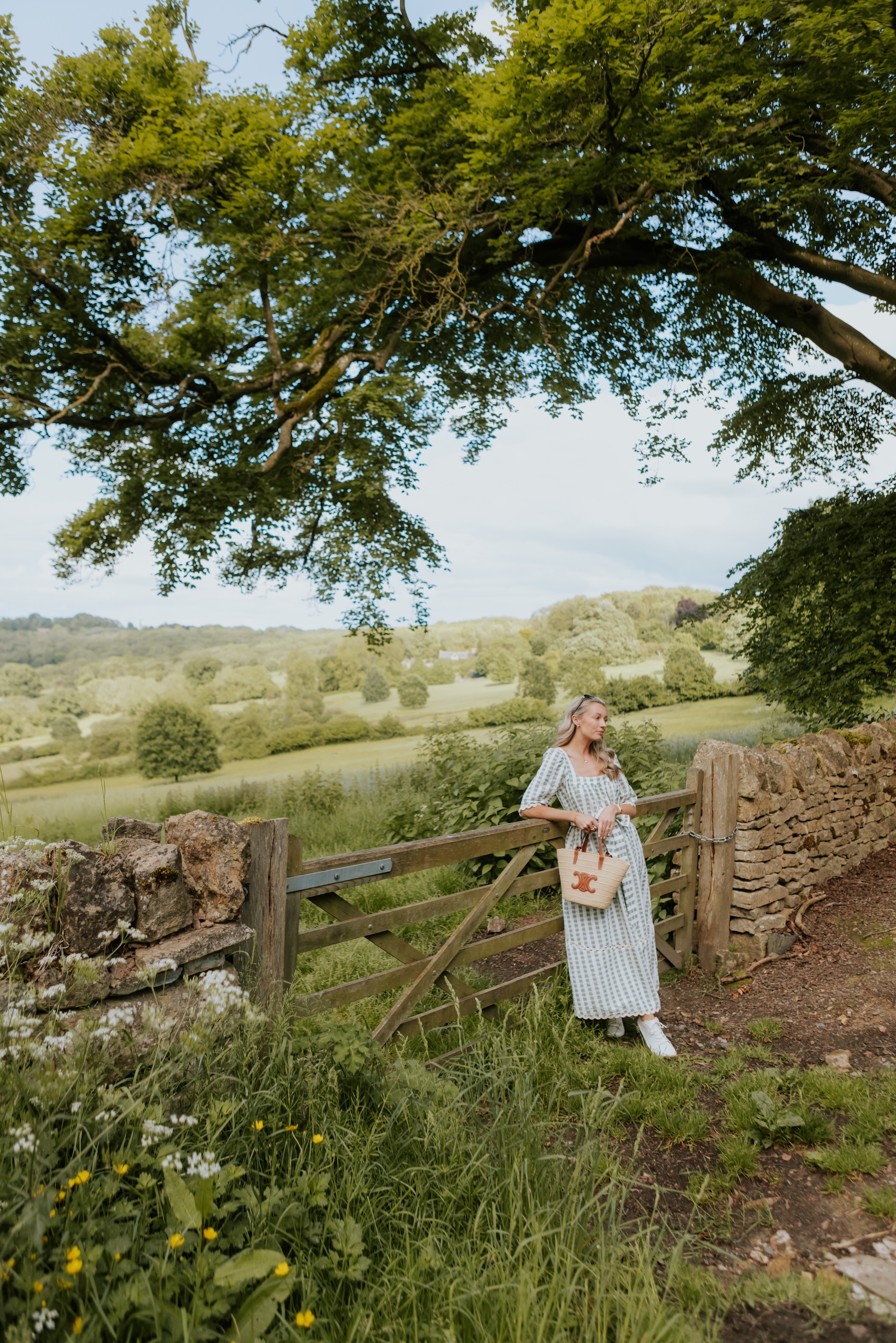
FOLLOWING THE COUNTRYSIDE CODE
Respect Others
Make sure to be considerate to those who live in the area you’re exploring by parking respectfully, not being overly noisy as you pass people’s houses, and by sticking to the designated footpaths, particularly when passing through private land.
Be Mindful Of Livestock
Always put your dog back on the lead before entering a new field, in case there are livestock present. This is particularly important during lambing season, as pregnant sheep can be easily panicked, which can be disastrous for their unborn lambs. Give the animals plenty of space, being particularly careful of bulls, and always close gates properly to prevent escapees!
Keep Yourself Safe
Make sure you’ve checked the weather and you know your route or have downloaded a map before embarking on your walk. Ensure you’re wearing the right footwear for your adventure, and be sure to take enough water with you for longer walks, not forgetting a portable water bowl for your dog.
Protect The Environment
Leave no trace, which means taking all litter home and disposing of dog waste properly. Be mindful of the wildlife such as nesting birds – keep your dog on the lead in locations where bird species are nesting on the ground.
FORAGING RESPONSIBLY
Know What You’re Picking
The most important thing when foraging is knowing what you’re picking. There are over 3000 wild plant species in the UK, with many species looking similar to each other, so it is key that you’re able to identify exactly what you’re picking. It’s a great idea to book a foraging walk with a trusted forager as they’ll be able to advise you on which plants are easy to identify, and which are easily confused with toxic varieties.
Don’t Take Too Much
While foraging is perfectly legal here in the UK, it is in fact illegal to pick the full plant. Instead, only remove up to a third of each plant, to avoid damaging the plant and to leave enough for the wildlife and for other foragers.
Respect The Land
Don’t forage on private land without permission, and if you’re visiting a nature reserve, be sure to check if foraging is allowed, as many nature reserves do not allow foraging at all. Avoid trampling other plants or habitats when trying to reach for your desired plant and respect the habitats of the wildlife.
MY FORAGING FAVOURITES
Wild Garlic
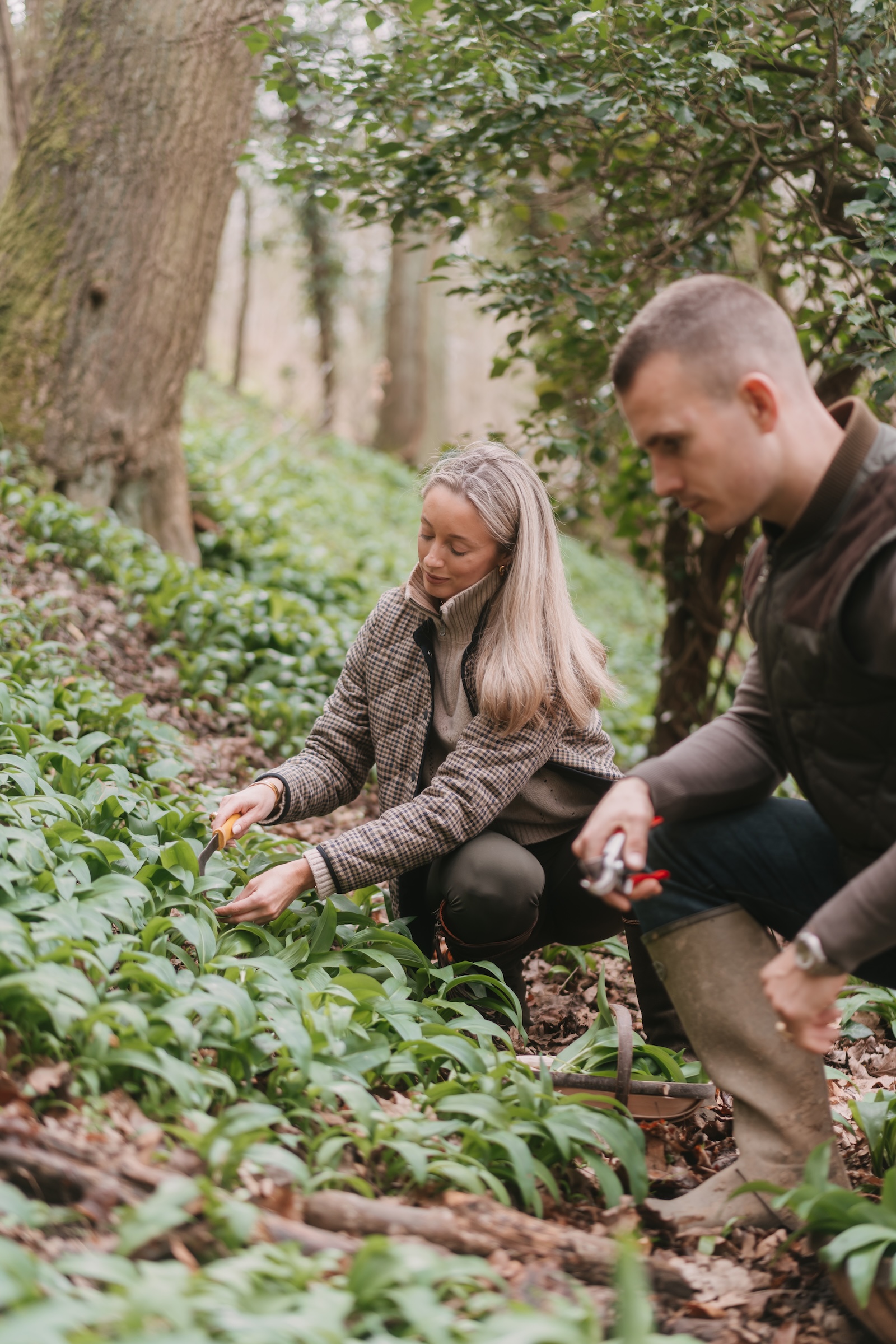
Wild Garlic can be found carpeting wooded areas during the months of March and April. Wild garlic is pretty easy to identify due to the strong oniony smell, but don’t confuse it with lily of the valley which is toxic. Be sure to have a trug or bag with you to collect the wild garlic as the strong garlic smell will be impossible to get rid of if you put the leaves directly in your pockets!
Nettles
Did you know that stinging nettles are in fact edible, and are actually packed full of nutrients – they are even more nutritious than spinach! Nettles are easy to find during spring and summer in the UK, but don’t pick them right next to a footpath where a dog might have cocked their leg (ew!). Another tip is to wear gloves when foraging stinging nettles, for obvious reasons. Once gathered, nettles can be made into tea or can be used in place of spinach in savoury recipes.
Cleavers
Cleavers are the sticky plants that get stuck to your jumper as you brush past them. Like nettles, cleavers are packed full of nutrients, being particularly beneficial for your lymphatic system. Cleavers are best infused in cold water to preserve their nutrients, and you can add a squeeze of lemon juice to improve the flavour.
Dandelion
The dandelion is another unassuming plant that you may have walked past and ignored up until now. Dandelion has many health benefits including helping digestion, reducing inflammation, and improving liver function. Pick the young leaves to add to salads, while the pretty yellow flowers can be used to decorate cakes, ice cubes and jellies. Again, be sure to pick from areas that dogs can’t reach, and also from areas away from pesticides.
Lilac
Lilac can be foraged from your own tree if you have one, or from a hedgerow. Lilac isn’t native to the UK, but if you’re lucky, you may find naturalised trees in the hedgerows. Lilac flowers are best foraged in the mornings when the blooms are fully open, and are best gathered using some sharp snips to cut off the clusters of flowers. Lilac flowers can be used to decorate sweet treats, or you can make a syrup out of the fragrant flowers to drizzle over cakes, or to add to cocktails!
Blackberries
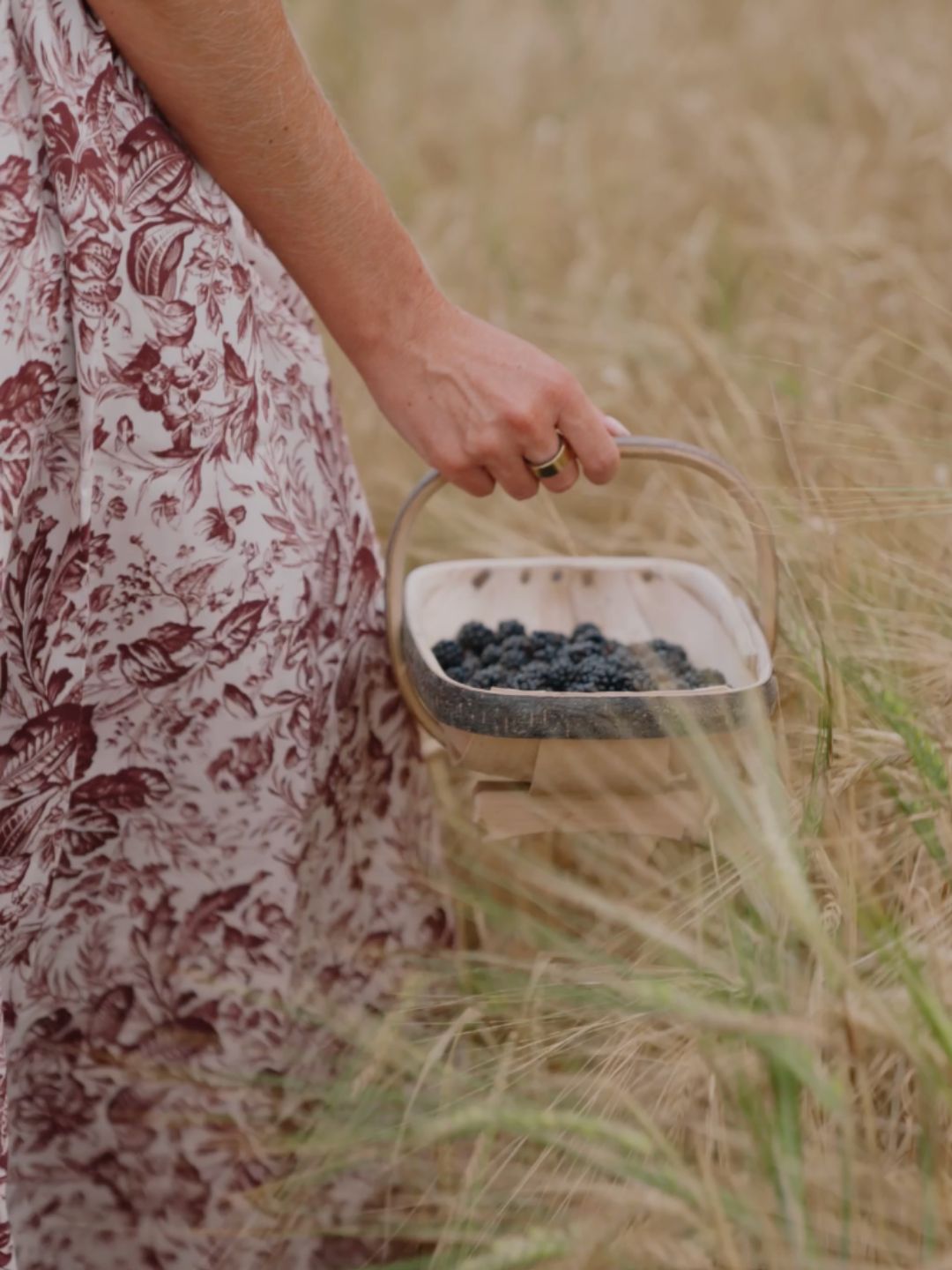
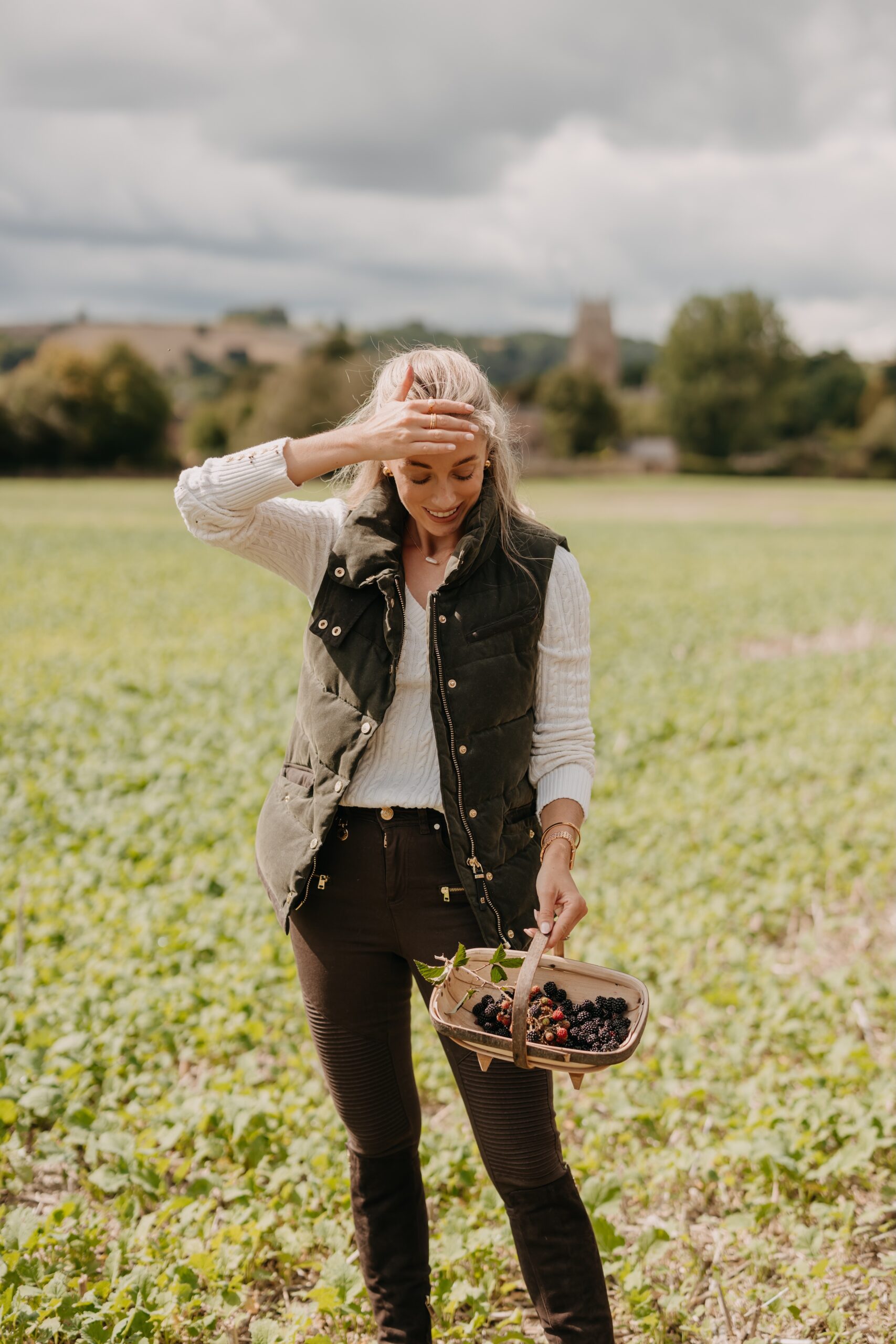
In late July or early August, the first of the blackberries begin to ripen. Blackberries are one of my absolute favourite things to forage because they can be used so widely; from sprinkling on yogurt, to adding to smoothies, to making jam – the blackberry recipes are endless. Plus, organic blackberries are hard to find and can be expensive in supermarkets and farm shops, so foraging your own blackberries can be a great cost-saving option. Blackberries are also packed with goodness – their dark purple colour hints at the high concentration of polyphenols that blackberries contain, making them a fantastic health food to add to your diet.
Rosehips
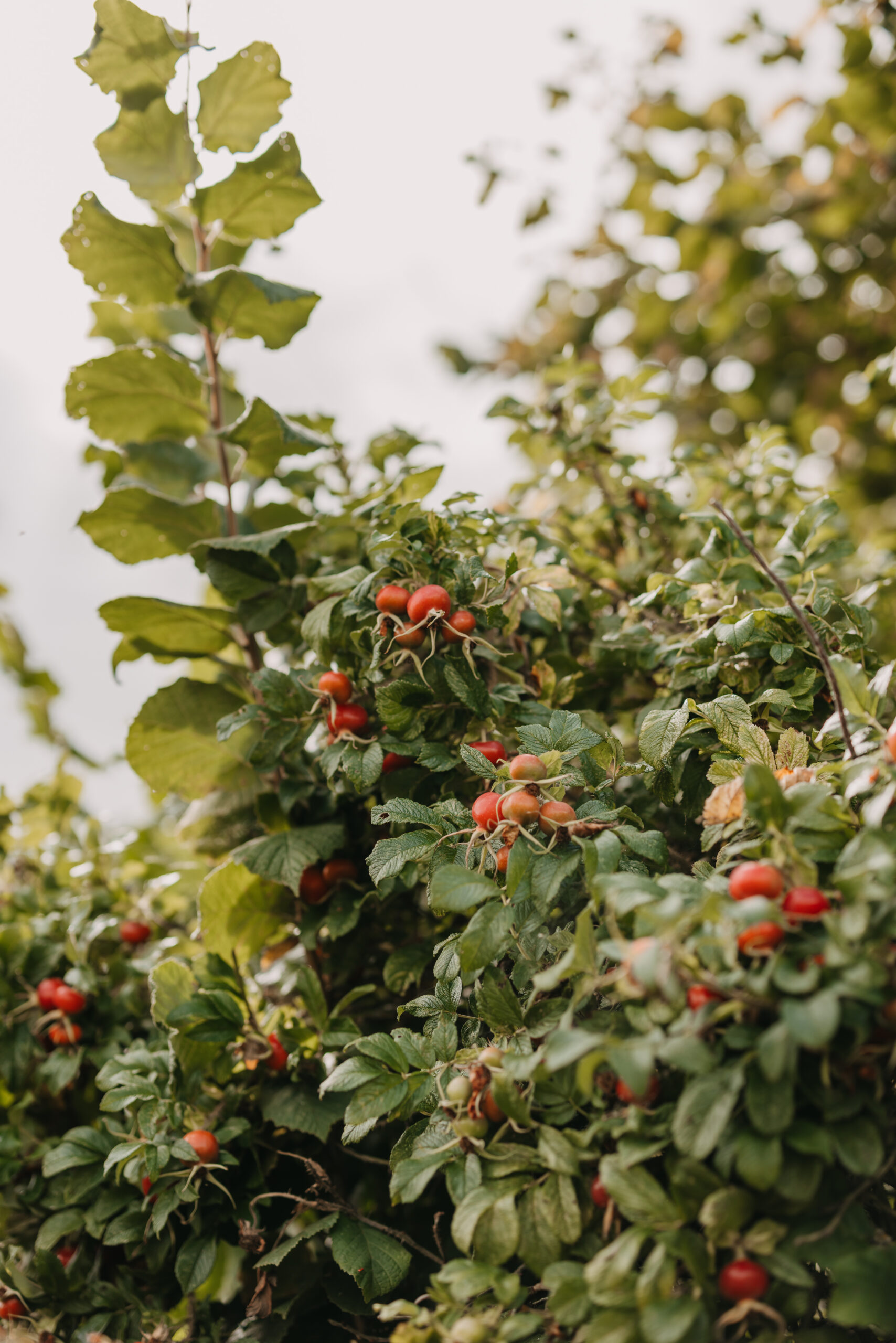
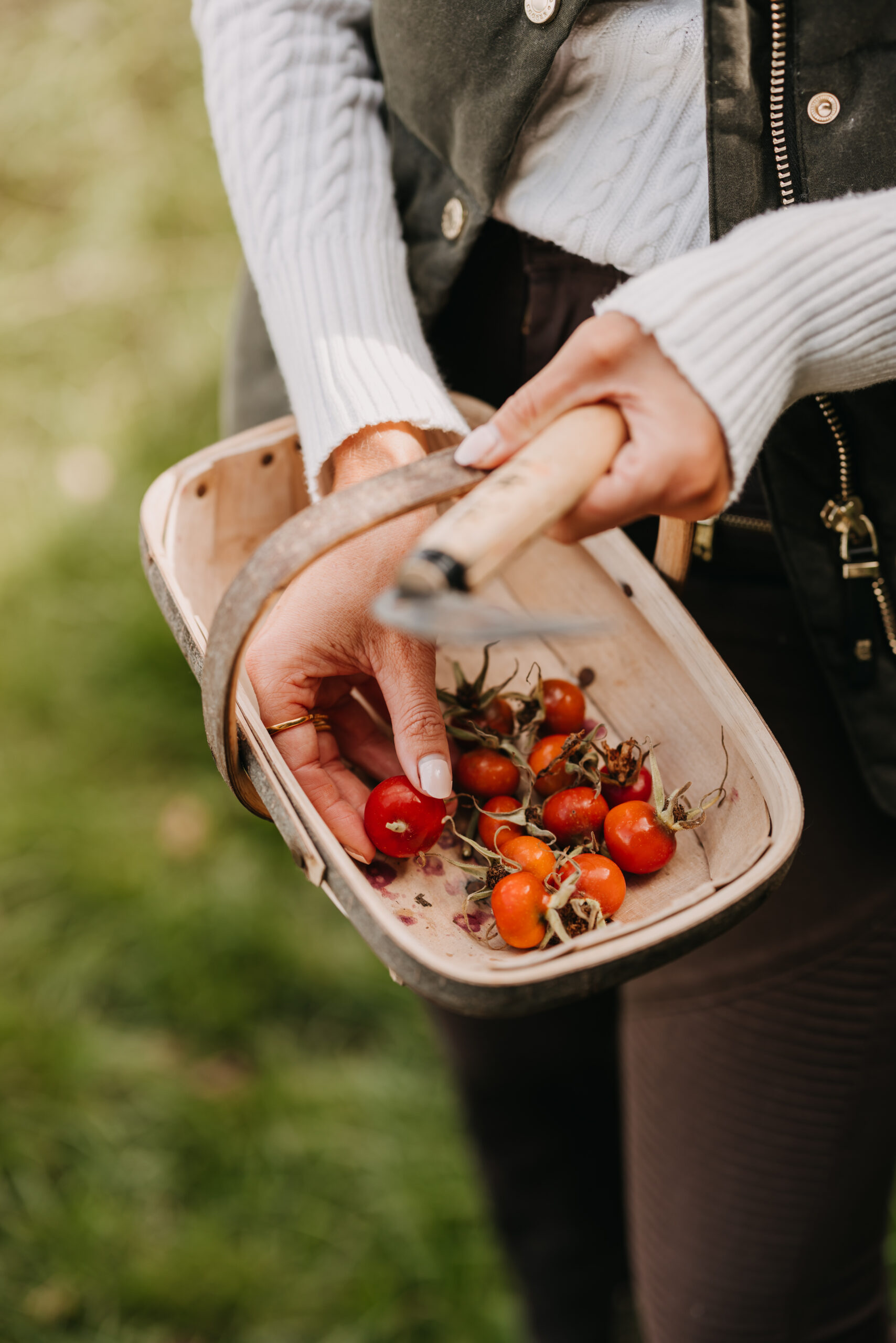
Rosehips are one of autumn’s underrated treasures, ripening into vibrant ruby-red fruits after the summer roses have faded. Rich in vitamin C and perfect for syrups, teas and jams, they’re a wonderful ingredient to forage. Just be sure to pick only from unsprayed plants and leave plenty behind for birds and other wildlife to enjoy through the colder months.
Elderberries
As summer turns into autumn, the hedgerows burst with clusters of dark-purple elderberries. Elderberries are nutritional powerhouses, and are rich in anthocyanins and vitamin C which means that elderberries are fantastic for helping us to fight off colds and flus. Check out my elderberry elixir blog post if you want to learn how to harness elderberries’ immune system supporting properties!